

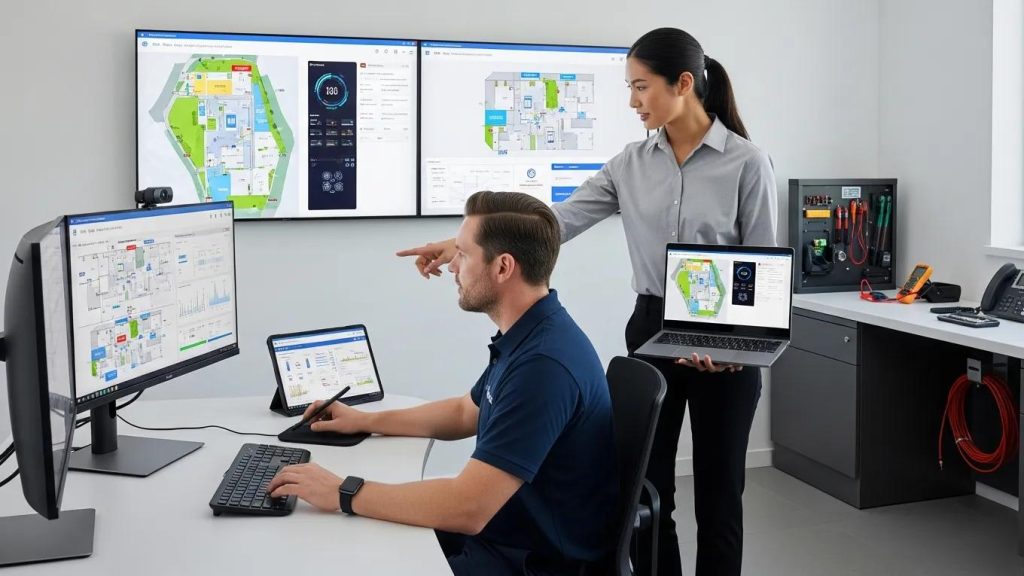
Unlock Cloud-Based Elevator Software Benefits Today: Optimize Elevator Service with Cloud ERP Solutions
In the evolving landscape of building management, the implementation of cloud-based elevator software is becoming essential for operational efficiency. These advanced technologies deliver streamlined operations, promoting not only effective scheduling and dispatch but also enhanced service quality through real-time data integration. With cloud ERP solutions, elevator service providers can centralize their operations, reducing manual errors and improving customer satisfaction significantly. For a comprehensive solution, consider the integrated features offered by TS Cloud ERP.
This article will explore the features, advantages, and potential impacts of cloud-based elevator management software while offering valuable insights into the key benefits of these systems. The discussion will cover operational efficiencies gained through real-time data and how these advancements drive profitability within the elevator service sector. Furthermore, insights into how contractors and technicians benefit from cloud service automation provide a comprehensive view of this transformative technology.
Features
Cloud-based elevator software boasts several compelling features that enhance service management. These key capabilities include:
- Real-Time Visibility: Operators have access to up-to-the-minute service statuses and performance metrics, enabling responsive management of elevator systems.
- Integrated Dispatch and Scheduling: Automated scheduling and dispatching reduce wait times and streamline operations, minimizing delays for service calls.
- Mobile Access: Field technicians can utilize mobile apps to access critical information on the go, ensuring they are well-prepared for each service visit.
These innovative features pave the way for improving elevator service operations dramatically.
While standard cloud ERP systems offer many benefits, customizing these solutions is crucial to meet diverse enterprise needs, especially for small and medium-sized businesses looking for optimal flexibility.
Customized Cloud ERP Solutions for Flexible Business Processes
Nowadays, the cloud technology has been widely accepted by enterprises. It leverages provides high-level management of expensive IT resources and several advanced techniques for developing quality IT solutions.
Small and medium enterprises (SMEs) are looking for best the preeminent customized cloud enterprise resource planning (ERP) to automate wisely their business activities. Therefore, the increasing need of flexible ERP business process from heterogeneous cloud services which carried out on cost and time benefits becomes a major concern.
This is very helpful to answer the required evolutions of different functional and non-functional SMEs needs (i.e., quality context-aware constraints and preferences).
The existing cloud ERP systems (SAP, Oracle, etc.) as SaaS models are not flexible enough to support the ERP business process auto-adaptation. This paper aims to provide a relevant ERP business process as a composite service-targeted customer needs and context changes using semantic-based context-aware selection and optimal cloud service composition.
To this end, we have proposed CxQSCloudSERP-based system ontology. It is a novel ontology for semantic describing and driving the end-to-end ERP building process.
By providing the functional needs, the system generates automatically an optimal virtual ERP business process. A two-stage algorithm for context-aware services composition is proposed to obtain optimal-customized concrete ERP business process.
The first stage is used to select relevant composite services that respect customer’s constraints. The second one is used to select a single optimal solution from the outcome of the first stage according to the customer’s preferences.
To illustrate our approach, we have presented a prototype which gives a great flexibility to respect the enterprise’s global quality priorities.
The experimental results show the efficiency and the enhanced accuracy of the proposed approach.
New approach for optimal semantic-based context-aware cloud service composition for ERP, H Reffad, 2018
Advantages
Utilizing cloud-based elevator software can yield substantial benefits for businesses in the vertical transportation segment. Key advantages include:
- Increased Efficiency: Streamlined processes reduce the time and resources spent on each service call.
- Improved Customer Experience: Enhanced communication features foster better relationships with customers, resulting in higher satisfaction rates.
- Cost Reduction: Automation and optimization of tasks lead to lower operating costs, ultimately increasing the bottom line.
These benefits underline the transformative potential of adopting cloud technologies within the elevator service industry.
Potential Impacts on Operational Efficiency
Implementing cloud-based elevator software significantly impacts overall operational efficiency. Businesses can expect:
- Reduction in Callback Rates: Improved service accuracy reduces the frequency of follow-up calls, enhancing operational workload management.
- Data-Driven Decision Making: Access to real-time analytics enables leaders to make informed decisions swiftly, responding to operational challenges proactively.
- Enhanced Compliance Management: Cloud systems facilitate better record-keeping, aiding compliance with industry regulations and standards.
Through such technological advancements, companies can streamline their operations and ensure compliance effectively.
What Are the Key Benefits of Cloud Elevator Management Software?
The adoption of cloud elevator management software brings several key benefits that can redefine service efficiency:
- Cost Savings: Reduction in manual processes translates to lower labor costs and operational expenses, allowing for more competitive pricing.
- Real-Time Monitoring: Continuous oversight of elevator performance helps identify issues before they escalate, ensuring uninterrupted service.
- Improved Efficiency: Automated management allows for resource optimization, ensuring that all components work seamlessly together.
By embracing these advantages, companies in the elevator service industry can achieve remarkable improvements in their efficiency and service quality.
How Does Real-Time Data Improve Elevator Service Efficiency?

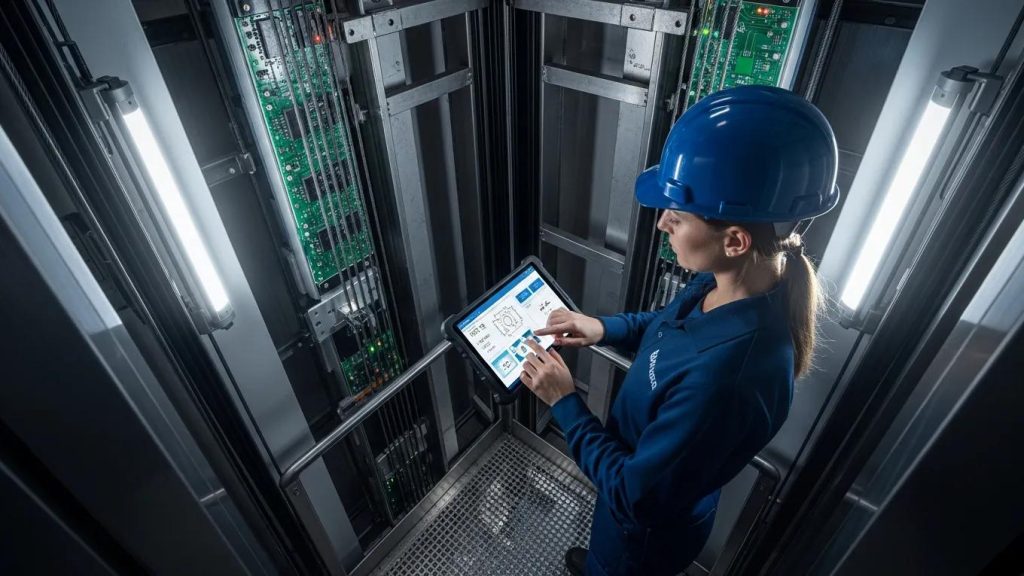
Real-time data plays a critical role in optimizing elevator service operations. The core mechanics of this improvement include:
- Smarter Dispatch Decisions: Immediate access to service call data allows dispatchers to assign the right technician to the right job based on proximity and expertise.
- Parts Visibility in the Field: Technicians equipped with real-time data can see parts availability, which expedites repairs and minimizes downtime.
- Automated Callback Flagging: The system can automatically notify technicians of jobs that require follow-up, reducing missed appointments.
This integration of real-time data into operational processes significantly enhances response times and service delivery quality.
Which Operational Gains Drive Profitability with Cloud-Based Elevator Software?
The operational gains from cloud-based software solutions have a direct correlation with increased profitability. Notable factors include:
- Real-Time Data Access: Immediate access to operational data aids in maintaining service quality without delays.
- Improved Job Costing: Enhanced data management enables precise job costing, allowing businesses to bid effectively and sustainably.
- Reduced Callback Rates: Fewer service callbacks imply not only increased customer satisfaction but also reduced operational strain, allowing for greater resource allocation to new projects.
These operational improvements collectively contribute to a more profitable business model.
How Do Elevator Contractors and Field Technicians Benefit from Cloud Service Automation?

Cloud service automation offers various advantages for both elevator contractors and field technicians:
- Real-Time Dispatch Management: Technicians receive immediate updates on job assignments, which allows them to plan their schedules more effectively.
- Service History Access: Having detailed service histories at their fingertips equips technicians with the knowledge needed to address complex issues efficiently.
- Mobile Tools for Parts Visibility: Technicians can check parts availability quickly, reducing delays in service caused by parts unavailability.
These benefits empower field teams and elevate the overall quality of service delivery.
What ERP Features and Cloud Capabilities Define the Best Elevator Service Software?
When choosing the best elevator service software, specific essential features are imperative:
- Project Management: Enables comprehensive oversight of ongoing projects, leading to timely completions and satisfied clients.
- Job Costing: Proper tracking of project expenses ensures budgets are adhered to without overspending.
- Performance Dashboards: Visual analytics provide real-time insights into system performance, facilitating informed operational adjustments.
Having these capabilities allows organizations to manage their operations effectively, leading to optimized performance.
How Can You Request a Demo and Engage with Cloud Elevator Software Providers?
Engaging with cloud elevator software providers typically begins with the following steps:
- Visit the Provider’s Website: Navigate to the provider’s site to explore their offerings in detail.
- Schedule a Guided Tour: Request a demo to experience the software’s features and capabilities firsthand.
- Confirm the Appointment: Finalize your demo appointment and prepare specific questions to maximize the value of your session.
This structured approach can facilitate a better understanding of the software’s benefits and functionality.
Why Are Demo Requests Vital for Understanding Cloud ERP Elevator Benefits?
Understanding the practical benefits of cloud ERP elevator management software is crucial. Demo requests serve several essential purposes:
- Understanding Benefits: A live demonstration effectively showcases the features and capabilities of the software.
- Enhancing Service Optimization: Observing the system’s workings in real-time can help stakeholders identify areas for improvement.
- Influencing Decision-Making: Engaging in demos helps upper management make informed decisions about adopting new technologies.
By requesting demos, businesses can ensure they are making educated choices about their operational tools.