
Cost Savings With Elevator ERP Solutions Explained
Elevator contractors face the constant challenge of managing operational costs while ensuring efficiency and compliance in their services. As businesses increasingly adopt technology to streamline their processes, Enterprise Resource Planning (ERP) solutions have emerged as essential tools for enhancing operational performance. This article explores the various ways elevator ERP solutions can lead to significant cost savings, delving into their features, benefits, and some successful case studies. We will examine aspects such as how ERP software enhances operational efficiency, the role of job management in reducing downtime, and the advantages of automated inventory tracking. Additionally, we will discuss key performance indicators that demonstrate financial benefits, making a compelling case for the value of adopting ERP systems in elevator services.
How Does Elevator ERP Software Enhance Operational Efficiency?
Elevator ERP software boosts operational efficiency through integrated features that manage various aspects of business operations. These solutions streamline workflows by providing real-time data access, which enables better decision-making and resource allocation. Furthermore, smart dispatch decisions enhance technician allocation, ensuring that repairs and maintenance are completed promptly. Automated tracking systems prevent operational delays by keeping job statuses updated, which directly contributes to a smoother workflow and reduced downtime.
The mobile accessibility of these systems empowers field technicians with instant information, allowing them to resolve issues swiftly during service visits. Ultimately, the integration of ERP software leads to more effective management of resources, reduced overhead costs, and improved customer satisfaction, positioning businesses to thrive in a competitive landscape.
What Role Does Job Management Play in Reducing Technician Downtime?
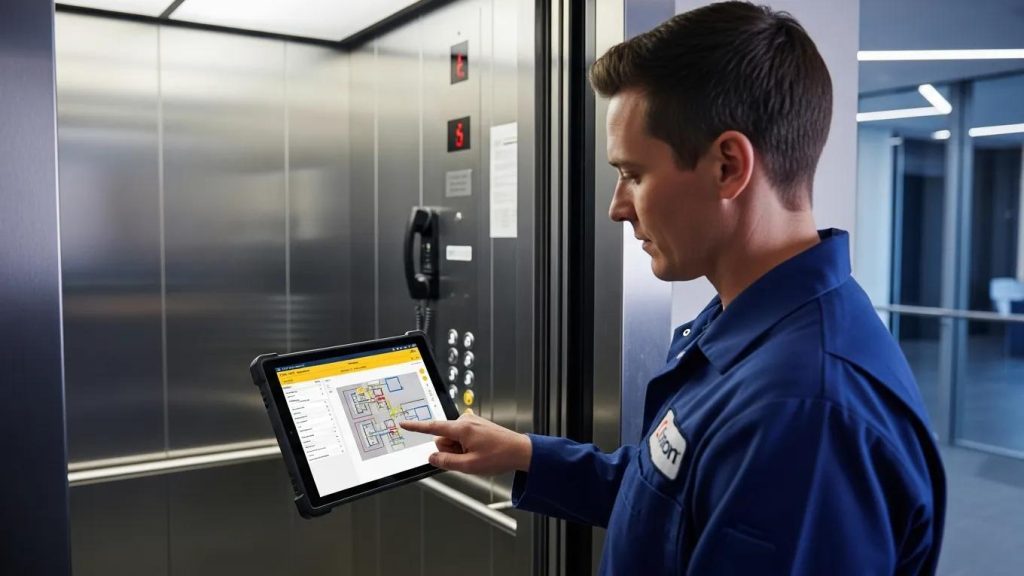
Effective job management is crucial in minimizing technician downtime, which can significantly affect service delivery times and operational costs. By implementing robust scheduling and job tracking features, elevator ERP solutions ensure that technicians are assigned to jobs that match their skills and expertise. Smart dispatching enhances first-time fix rates as technicians receive the necessary information about job requirements before arriving at the site.
Additionally, enhanced parts visibility decreases redundant trips, enabling the team to optimize their service routes effectively. Automated tracking of service histories helps in identifying recurring issues, which streamlines preventive maintenance and reduces the chances of unexpected breakdowns. Job management features ultimately create a more efficient workflow, enabling elevator contractors to maximize their operational capacities and significantly reduce costs associated with downtime.
How Does Field Technician Dispatch Optimize Scheduling to Cut Costs?
Field technician dispatch plays a pivotal role in optimizing scheduling and directly influences cost management. Advanced dispatcher tools utilize existing technical skillsets and job requirements to allocate the most qualified technicians to each job, thus enhancing both efficiency and job satisfaction. Real-time access to technician locations and availability prevents delays that often arise from manual scheduling.
Moreover, tracking callback metrics can bolster operational strategy by identifying recurring service demands and minimizing unnecessary visits, leading to more efficient routing and lower fuel costs. These dispatch optimization strategies not only save time but also contribute substantially to lowering overall operating expenses for elevator service providers. With advanced tools like those found in comprehensive platforms, businesses can streamline operations and minimize costs.
Which Key Features of Total Service Cloud Drive Cost Savings?
Total Service Cloud integrates several key features that drive cost savings for elevator contractors. Understanding these features is essential for those looking to invest in ERP solutions effectively, as they can impact operational efficiency significantly.
| Feature | Benefits | Cost Impact |
|---|---|---|
| Real-time Inventory Tracking | Reduces delays in service | Lowers operational costs |
| Automated Flagging | Identifies potential issues proactively | Minimizes costly repairs |
| Performance Dashboards | Optimize resource allocation | Improves overall efficiency |
These features not only facilitate smoother operations but also help identify areas where costs can be minimized. By leveraging the right tools, businesses can position themselves for success while maintaining cost-effective service delivery. Explore comprehensive solutions like Total Service Cloud to understand these benefits firsthand.
How Does Automated Inventory Tracking Prevent Service Delays?
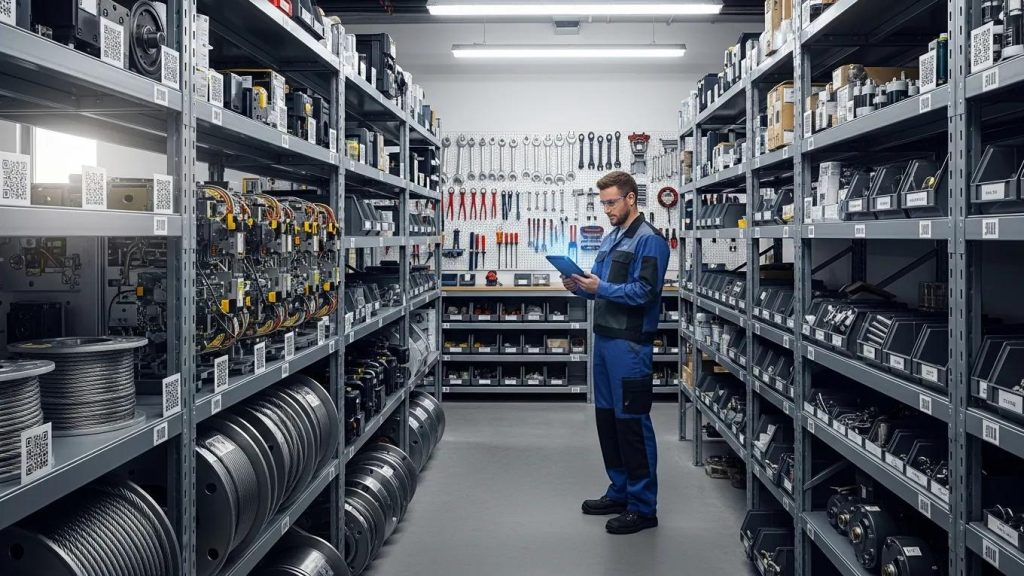
Automated inventory tracking is a fundamental element that prevents service delays and improves operational workflows. With real-time inventory data, technicians can effectively prepare for jobs before arrival, ensuring that all necessary parts and equipment are readily available. This proactive approach not only minimizes the need for callbacks but also enhances customer satisfaction by providing prompt and efficient service.
The implications of improved inventory management extend to cost reduction as well. By preventing service delays and mismanaged inventory, businesses can realize significant savings in operational costs that stem from logistical inefficiencies. Moreover, structured inventory processes help companies maintain optimal stock levels, reducing the financial strain associated with excess inventory and storage costs.
In What Ways Does Compliance Tracking Minimize Non-Compliance Costs?
Compliance tracking tools integrated within ERP solutions can lead to substantial cost savings for elevator service providers. By automating compliance management, businesses can ensure that all safe work practices and regulations are being followed rigorously. Automated compliance flags help reduce the risk of fines or penalties associated with non-compliance, which can drain resources significantly.
In addition, maintaining an accurate service history through compliance records enhances safety standards and provides a clear audit trail. Metrics monitoring allows operators to inform preventive measures, further protecting businesses from costly legal disputes and enhancing their reputation in the market. Monitoring compliance effectively not only secures operational integrity but also minimizes unforeseen costs associated with regulatory non-compliance.
What Are the Demonstrated Financial Benefits and ROI of Elevator ERP Solutions?
Evaluating the financial benefits and return on investment (ROI) of elevator ERP solutions is essential for businesses considering their implementation. The evidence indicates significant cost savings realized through improved efficiency and more informed business decisions.
- Total Cost Savings Calculation: Businesses utilizing ERP systems often report measurable financial savings attributed to reduced overhead costs.
- Return on Investment Metrics: Detailed case studies illustrate that investments in ERP solutions can yield returns upwards of 200% within the first year of implementation.
- Long-Term Profitability Improvements: Sustainable practices fostered by ERP systems ensure continuous financial health for elevator contractors over the long term.
Leveraging these insights can guide businesses in understanding the economic advantages of modernizing their operational practices through ERP integration.
Which Case Studies Show Measurable Savings With Total Service Cloud?
Numerous case studies highlight the substantial savings experienced by contractors utilizing Total Service Cloud. These real-world applications of ERP solutions provide a framework for potential users to understand possible outcomes.
- Case Study 1: Contractor A improved service response times by 40%, contributing to a financial saving of approximately $100,000 in operational costs after transitioning to Total Service Cloud.
- Case Study 2: Contractor B showcased a 30% decrease in technician downtime due to optimized job management processes, resulting in saving $75,000 annually.
- Case Study 3: Contractor C reduced inventory costs by 20% through improved inventory tracking, translating to roughly $50,000 in savings each year.
These examples vividly illustrate the tangible benefits that ERP solutions can provide, making the case for their adoption in today’s highly competitive elevator service industry.
Maximizing ROI and Financial Growth with Elevator ERP
Improvements in inventory management and scheduling can lead to significant reductions in operating expenses. Research indicates that optimizing these aspects can lead to operating expense reductions of up to 20% for elevator contractors. Industry statistics also reveal that contractors implementing ERP strategies often see improved customer satisfaction ratings, which correlate with enhanced profitability.
By investing in effective scheduling tools and inventory tracking systems, businesses can streamline operations while retaining a competitive edge in pricing and service delivery. Operational efficiencies created through these improvements can lead to long-term financial health and stability for elevator companies.
How Can Elevator Contractors Leverage ERP Software for Profitability?
Elevator contractors looking to increase profitability can leverage ERP software in several strategic ways:
- Implementation Notes: Carefully assess software requirements and select systems that align with operational goals.
- Benefit Analysis: Conduct regular reviews of ERP performance against business objectives to ensure maximized output.
- Strategic Use: Use ERP insights to identify areas for cost-cutting opportunities, thereby enhancing overall profitability.
By continuously fine-tuning the use of ERP software, elevator contractors can align their operational strategies with profitability and success metrics.
Why Is Elevator Service Automation Essential for Vertical Transportation Management Systems?
Elevator service automation plays a pivotal role in vertical transportation management systems. By reducing human error typically associated with manual processes, automation promotes operational harmony and enhances service quality. For example, automating scheduling and response protocols can lead to more responsive services, which is critical for maintaining customer satisfaction in a fast-paced industry.
Operational enhancements stemming from automating service processes lead to immediate gains in efficiency and reduced costs. As elevators become an increasingly integral component in modern architecture, the need for streamlined service automation is ever-growing. Integrating advanced technology into elevator service processes creates a future-ready framework for businesses aiming for growth and reliability.
How Does ERP Improve Overall Business Efficiency in Elevator Companies?
ERP systems contribute significantly to overall business efficiency in elevator companies. The automation of various workflow processes results in minimized manual errors and streamlined operations. Statistics show that companies implementing ERP solutions typically experience an increase in operational efficiency of up to 30%.
Furthermore, as real-time data access improves decision-making capabilities, organizations can react more swiftly to changing conditions, maintaining a competitive advantage. By combining resource management with task automation, ERP systems position elevator companies to harness collective insights that optimize performance and enhance service delivery.